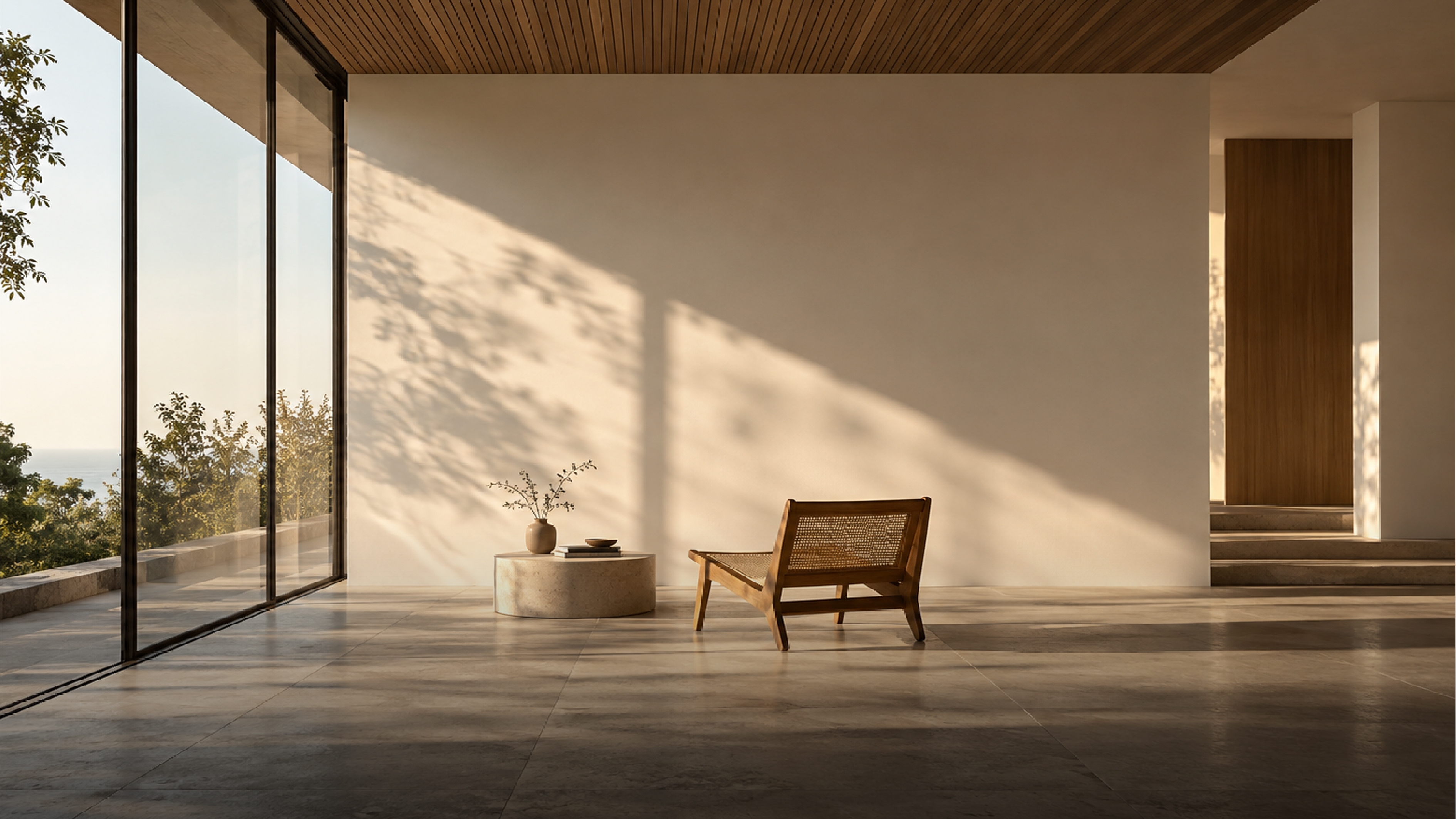
Picture this: You return home after a long day, and instead of feeling drained, you feel restored. The air is pure, the light is gentle, and every corner of your space seems designed to ease your mind. This isn't a fantasy—it's the promise of wellness real estate, a transformative approach to living that's reshaping the property landscape across India and beyond.
In a world where stress has become the default setting, our homes are evolving from mere shelters into sanctuaries of health and well-being. Wellness real estate represents more than just adding a gym or a garden to a building; it's a fundamental reimagining of how our living spaces can nurture our physical, mental, and emotional health.
As we navigate increasingly demanding lifestyles, the question is no longer just "where do you live?" but "how does your home make you live?"
Wellness real estate represents a fundamental shift in how we design, build, and experience our living spaces. Unlike traditional real estate that focuses primarily on location, size, and aesthetics, wellness real estate intentionally integrates features and design principles that actively support residents' physical, mental, and emotional health.
Think of it as architecture with a purpose—where every element, from air quality systems to natural lighting, from soundproofing to community spaces, is carefully planned to enhance your well-being. It's not just about adding a gym or a yoga room to a building. It's about creating environments where healthy living becomes natural, effortless, and sustainable.
What sets wellness real estate apart:
The pandemic served as a wake-up call, forcing us to confront the reality that our homes are no longer just places to sleep and eat. They've become our offices, our gyms, our social hubs, and our sanctuaries. This extended time at home made us acutely aware of how our living environments affect our health, mood, and productivity.
A true wellness home goes far beyond the checklist of amenities. It represents a holistic integration of design principles that nurture human health across multiple dimensions.
Physical wellness features
Physical wellness begins with the fundamentals—the air we breathe and the water we drink. Advanced air and water purification systems filter pollutants and ensure clean, mineral-balanced water, particularly crucial in urban environments where quality can be compromised.
Natural light and fresh air play equally vital roles. Strategic window placement maximizes daylight exposure while cross-ventilation planning ensures fresh air circulation, reducing reliance on artificial climate control. This connection to the outdoors extends through thoughtfully designed green spaces.
From private balcony gardens to expansive community parks, rooftop gardens, and vertical green walls, these natural elements provide constant connection to nature. Research consistently shows that exposure to greenery reduces stress and lowers blood pressure, making these features essential rather than decorative.
Mental & emotional wellness
Perhaps the most revolutionary aspect is the attention to psychological well-being through neuroarchitecture—the science of how built environments affect brain function. Every design decision considers its impact on mental health.
Thoughtfully curated color palettes in soft, natural tones promote calm, with strategic accent colors that stimulate creativity. Natural materials like wood, stone, and cotton feel grounding and authentic. Sound-absorbing acoustics and strategic layouts create peaceful zones where residents can truly unwind.
Intentional spaces matter deeply. Reading nooks bathed in natural light, meditation corners with views of greenery, and work-from-home zones that separate professional life from personal space all help establish healthy boundaries. In a world of constant noise pollution, the ability to experience true quiet becomes a luxury in itself.
Social & community wellness
Wellness extends beyond the individual through pro-social design that encourages positive interactions. Shared courtyards and community gardens, multipurpose gathering spaces, yoga studios, meditation gardens, and walking trails create natural opportunities for connection.
Community wellness workshops and social events further strengthen bonds among residents. These features transform residential complexes from collections of individual units into thriving neighborhoods where people genuinely connect.
Neuroarchitecture represents the exciting intersection of neuroscience, psychology, and architecture. It's based on a simple but profound premise: our brains respond to our physical surroundings in measurable ways that significantly impact our health and behavior.
Research in this field has revealed fascinating insights about how our surroundings shape our mental state. Spaces with high ceilings promote abstract thinking and creativity, while lower ceilings encourage focused, detail-oriented work. Curved architectural elements reduce stress and create feelings of safety, whereas harsh angles can trigger subtle anxiety responses. Circadian lighting systems that adjust color temperature throughout the day help maintain our natural biological rhythms, and biophilic design principles that incorporate natural elements and patterns have been shown to reduce stress hormones and lower heart rate.
Circadian lighting systems are particularly transformative. Morning exposure to cooler, blue-tinted light energizes and promotes alertness, while warmer, amber tones in the evening signal the body to prepare for rest. This synchronization with our internal clocks improves sleep quality, mood regulation, and overall health.
Residents of wellness-designed homes report:
In healthcare settings, patients in rooms with natural light and views of nature have been shown to recover faster and require less pain medication. These aren't placebo effects—they're the result of designing spaces that align with how our brains are wired to function optimally.
India is embracing the wellness real estate movement with characteristic enthusiasm and innovation. Major metropolitan areas are seeing a surge in developments that prioritize health-conscious design, driven by an increasingly aware and demanding consumer base.
Why Chennai is leading the way
Chennai offers natural advantages for wellness living:
The Chennai wellness real estate landscape
Progressive developers are incorporating comprehensive wellness features:
The East Coast Road area has become particularly attractive for wellness-focused developments. These projects offer residents the opportunity to build homes that blend privacy with access to nature and wellness amenities, reflecting a growing preference for lifestyle over mere location.
Beyond lifestyle benefits, wellness real estate represents a compelling investment proposition.
Properties with genuine wellness features maintain their value better during market downturns. When economic uncertainty strikes, homes that offer tangible quality-of-life improvements tend to hold strong.
Wellness real estate represents more than an evolution in property development—it's a fundamental reimagining of what home means. Your home should be your most powerful ally in living well, supporting your health goals while restoring and nurturing your well-being. As this movement continues to grow, more people will have access to living spaces that truly understand the connection between environment and wellness.
At Arihant, we believe in crafting memorable spaces where relationships, trust, and growth flourish. We understand that a home is more than bricks and mortar—it's the foundation for a life well-lived. As wellness real estate transforms the landscape of residential development, we're committed to creating communities where health, happiness, and home exist in perfect harmony.