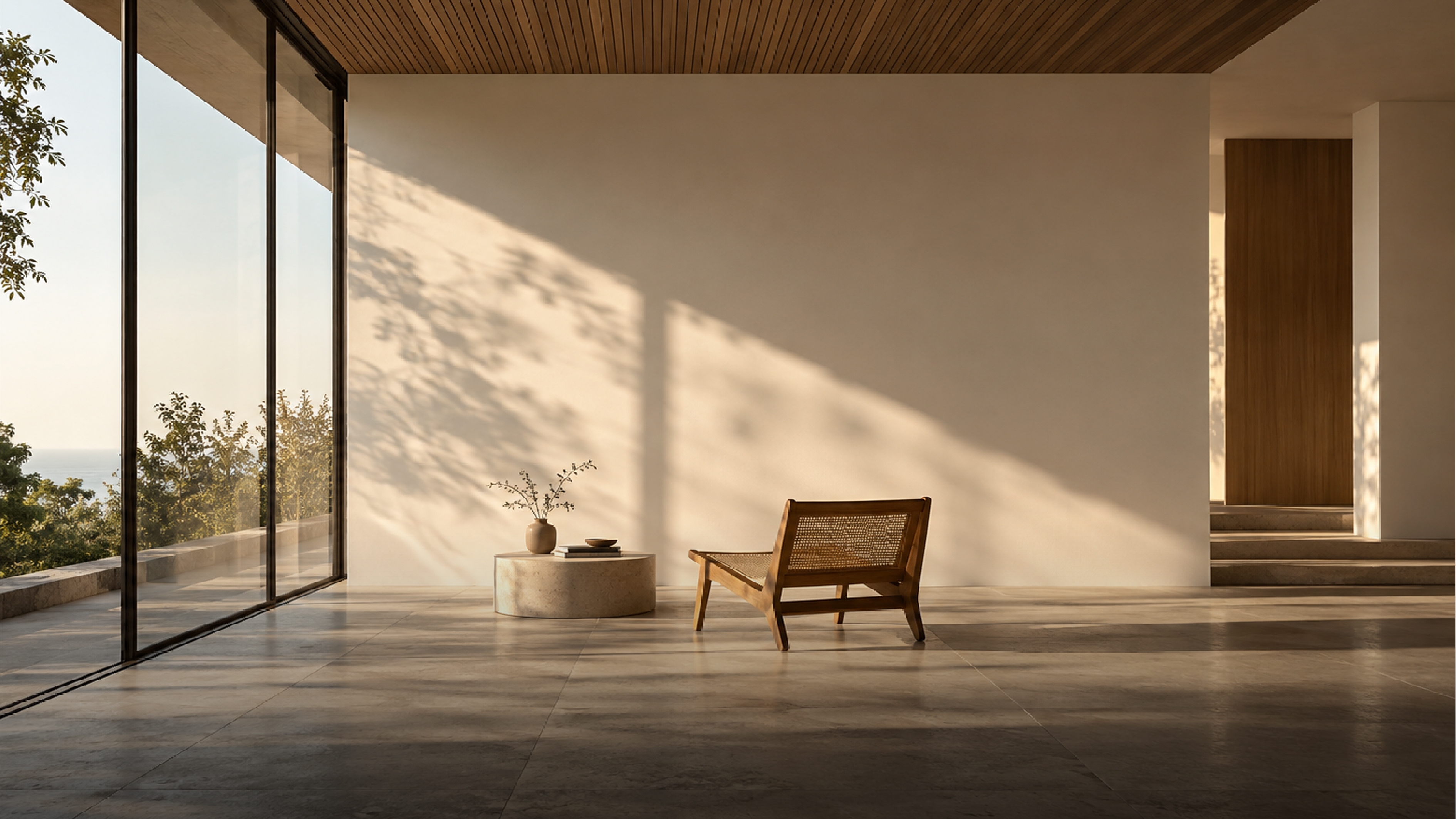
Wellness used to mean a retreat, a private club, an experience set apart from daily life. That idea is shifting. Homeowners today are less drawn to wellness as an occasional indulgence and more interested in homes where movement, connection and everyday routine sit naturally alongside each other, a change we've traced in A Shift Towards More Restful Homes.
This is changing what people look for beyond finishes and floor plans. The question isn't which amenities a project offers, but whether its layout makes healthier, more connected living the easier choice.
A few features have quietly moved from premium to standard over the past decade:
Wellness appears to be following the same path. Not as another feature to add, but as a way of planning that makes better routines possible without residents having to seek them out elsewhere.
A wellness space earns its place by what happens in it, not by what it's called on a brochure.
The shift in residential design isn't about adding more spaces. It's about designing spaces people actually return to.
Wellness is also expanding beyond the conventional gym, with communities making space for activities that encourage both movement and interaction.
The shift is subtle but significant. Wellness is becoming less about dedicated facilities and more about creating shared spaces that give people more ways to move, connect and spend time together.
A well-planned community doesn't just place people near each other. It gives them reasons to interact.
The communities that get this right aren't necessarily the ones with the longest amenity list. They're the ones where daily life quietly does the work.
The next stage of residential wellness isn't about exclusivity. It's about planning choices that make healthier living the default, not the exception.
The growing preference for low-rise living fits into this same shift, toward communities that feel open and human in scale rather than dense and anonymous.
Reserve 16, on Chennai's ECR coastal corridor, takes shape through tree-lined avenues and open landscapes designed to keep residents connected to nature as part of daily life, not as a separate destination.
A similar principle plays out through scale and openness at Arihant Vivriti, a layout that makes ease and connection part of how the community functions day to day rather than something residents have to seek out.
Across both, the role of the developer extends past individual homes, toward shaping how a community lives together.
As buyer expectations shift, luxury is being redefined:
At Arihant Spaces, every design decision begins with a simple belief: a home should do more than look beautiful. It should quietly support the way people live, bringing together thoughtful planning, everyday comfort and experiences that continue to enrich life long after possession.